






-560x560.png)
Direct Pellet 3D Printing (FGF) in Modern Orthotics: Revolutionizing Custom Rehabilitation Equipment and Braces
Direct Pellet 3D Printing (FGF) in Modern Orthotics: Revolutionizing Custom Rehabilitation Equipment and Braces
1. Digital Transformation Pain Points in Traditional Orthotics Manufacturing
Traditional manufacturing of custom rehabilitation equipment—such as orthopedic orthoses, full-scale scoliosis braces, and prosthetic sockets—heavily relies on manual plaster casting, manual modification, and thermoforming of plastic sheets. This conventional workflow is labor-intensive, highly dependent on the technician's experience, and typically requires a lead time of several days.
While traditional FDM (Fused Deposition Modeling) 3D printing introduced digital fabrication to the industry, it is strictly limited by the high secondary processing costs of filaments and prolonged printing times for large-scale components. Consequently, it fails to meet the high-volume, rapid-delivery clinical demands of modern medical institutions.
2. 0.9m Cube: The Golden Build Volume for Orthotic Production
Based on the structural characteristics of lower limb orthoses, full-length torso jackets, and large-scale assistive devices, a build volume of 0.9m × 0.9m × 0.9m represents an engineered "Golden Size" for medical rehabilitation applications.
-
Monolithic Molding (Single-Piece Printing): This build volume perfectly accommodates the 3D scan data of an adult’s full-length lower limb or torso. By eliminating the need for slicing and multi-part assembly, it fundamentally guarantees the structural integrity and biomechanical strength of the medical brace.
-
Space Efficiency: It maximizes industrial-grade build space while minimizing the equipment's physical footprint within specialized clinics or compact hospital labs.
-
.png)
.png)
3. Three Core Advantages of FGF Pellet Technology in Rehabilitation
🟢 A 70% to 90% Drop in Raw Material Costs
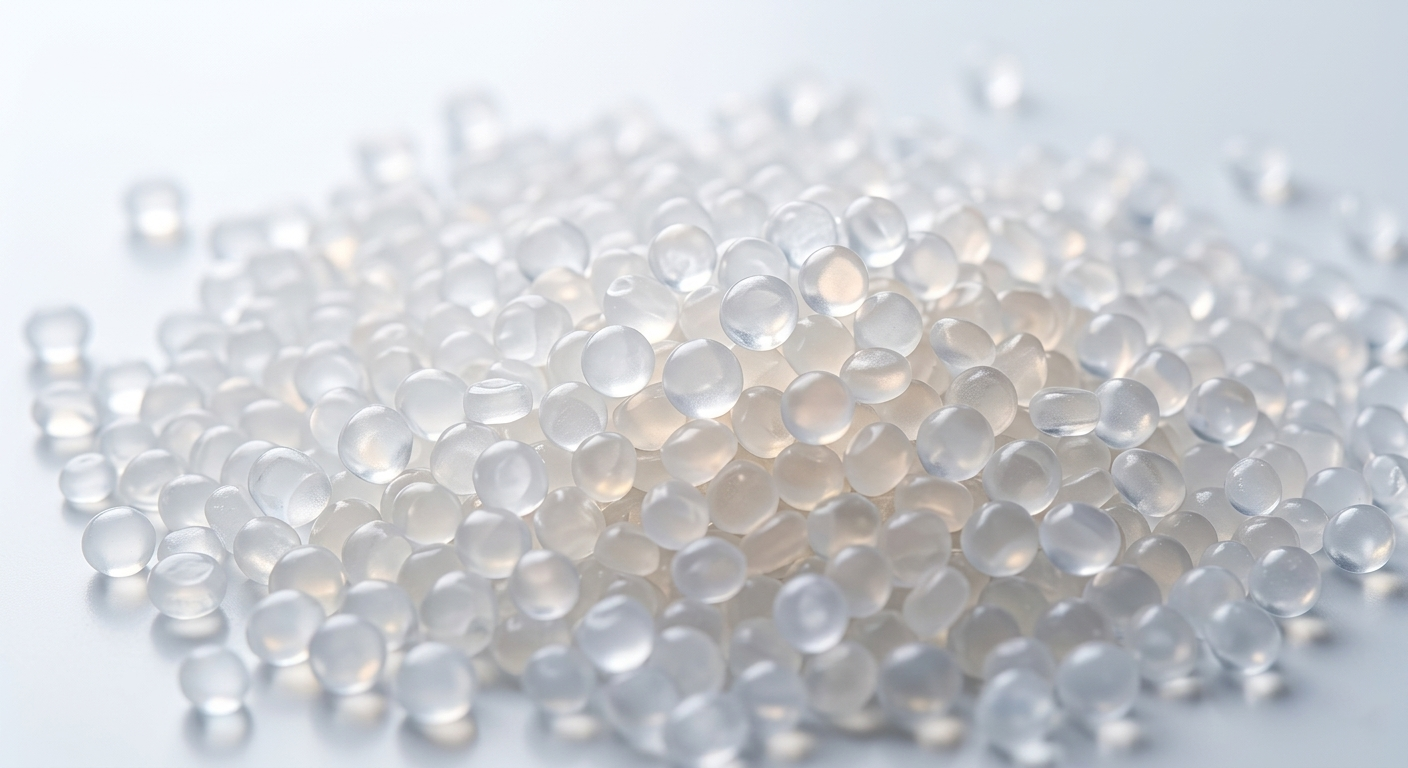
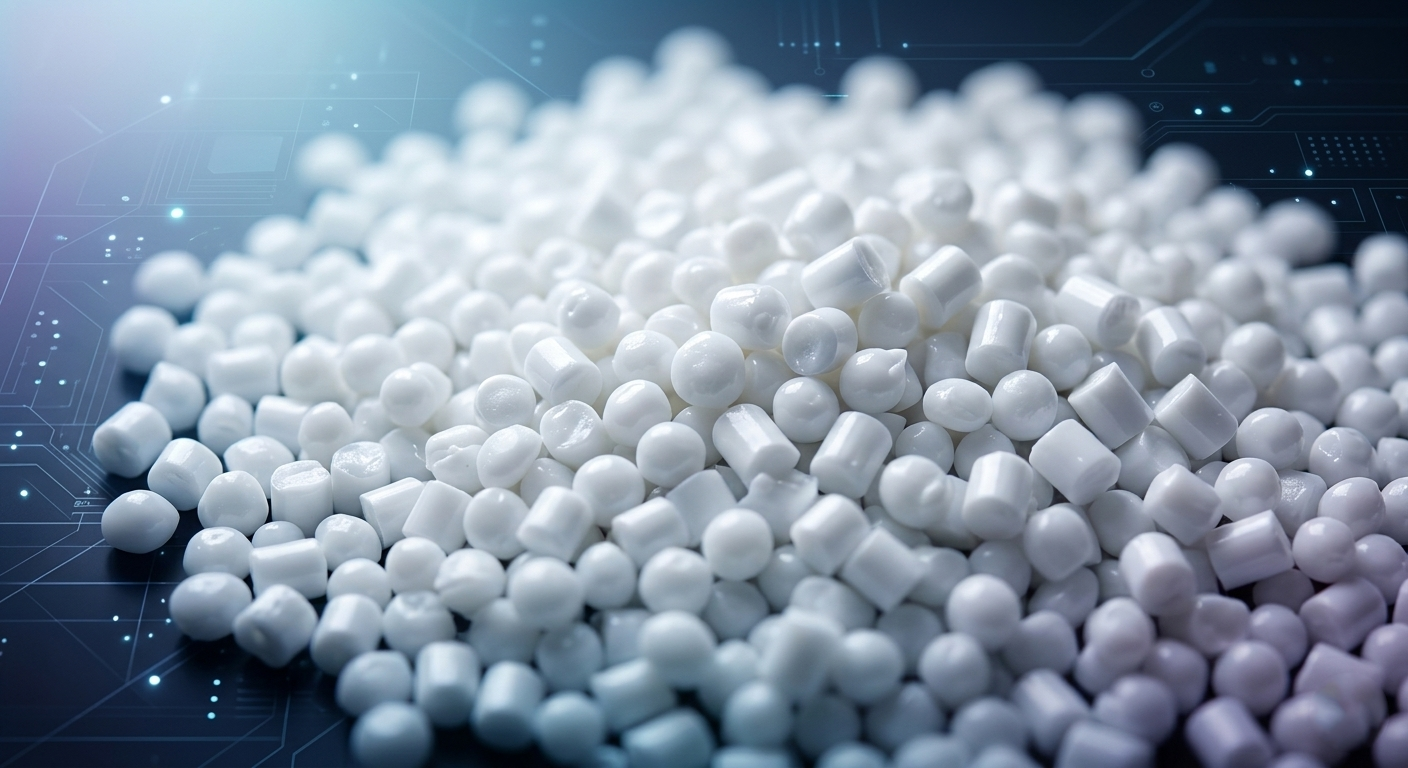
Traditional FDM printing requires processing plastic resin into high-precision filaments, a secondary extrusion process that adds massive premium pricing. In contrast, FGF (Fused Granular Fabrication) technology directly utilizes industrial or medical-grade polymer pellets.
Quantitative Benefit: Raw material procurement costs are directly reduced by 70% to 90% compared to commercial filaments. This enables medical facilities to offer customized orthotics at highly competitive per-unit costs, breaking free from low-margin price competition.
🟢 Delivery Times Slashed from Days to Hours
The FGF pellet extrusion system utilizes a high-output screw design. Its melting efficiency and nozzle flow rates are several to dozens of times higher than standard FDM nozzles.
-
Clinical Significance: A large scoliosis brace that would normally require over 20 hours on an FDM printer can be fully formed within 2 to 4 hours using a high-flow FGF pellet direct-printing system. This effectively realizes a "Same-Day Diagnosis, Same-Day Delivery" clinical workflow.
🟢 Broad Medical-Grade Material Compatibility
The FGF extrusion system offers superior shear mixing and precise multi-zone temperature control, allowing it to stably process a more diverse range of high-performance polymers:
-
PP / PE Pellets: The most widely used flexible yet strong materials in traditional orthotics, offering excellent biocompatibility and skin comfort.
-
TPU Elastomer Pellets: Utilized for manufacturing customized orthopedic insoles or localized shock-absorbing pads with variable Shore Hardness gradients.
-
Medical Modified Polymers: Supports modified pellets infused with antimicrobial agents or lightweight foaming agents, fully compliant with rigorous medical biocompatibility standards.
4. Digital Rehabilitation Application Scenarios
| Customized Products | Traditional Process Pain Points | FGF Pellet Printing Advantages |
| Scoliosis Braces | Painful plaster casting, time-consuming fabrication, and difficult post-modification. | Direct FGF printing post-3D scanning. Rapid single-piece forming with precise, built-in ventilation and lightweight structures. |
| Lower Limb Orthotics & Exoskeletons | Requires extreme mechanical strength; manual customization lacks consistency. | Direct printing with high-strength engineering pellets. Thick layer deposition ensures superior interlayer bonding and load-bearing capacity. |
| Prosthetic Sockets | The patient's residual limb changes profile easily over time, requiring repeated re-casting. | Digital modification of 3D models combined with rapid, low-cost re-printing ensures a micro-level, perfect fit. |
Conclusion: Building a High-Barrier Digital Medical Supply Chain
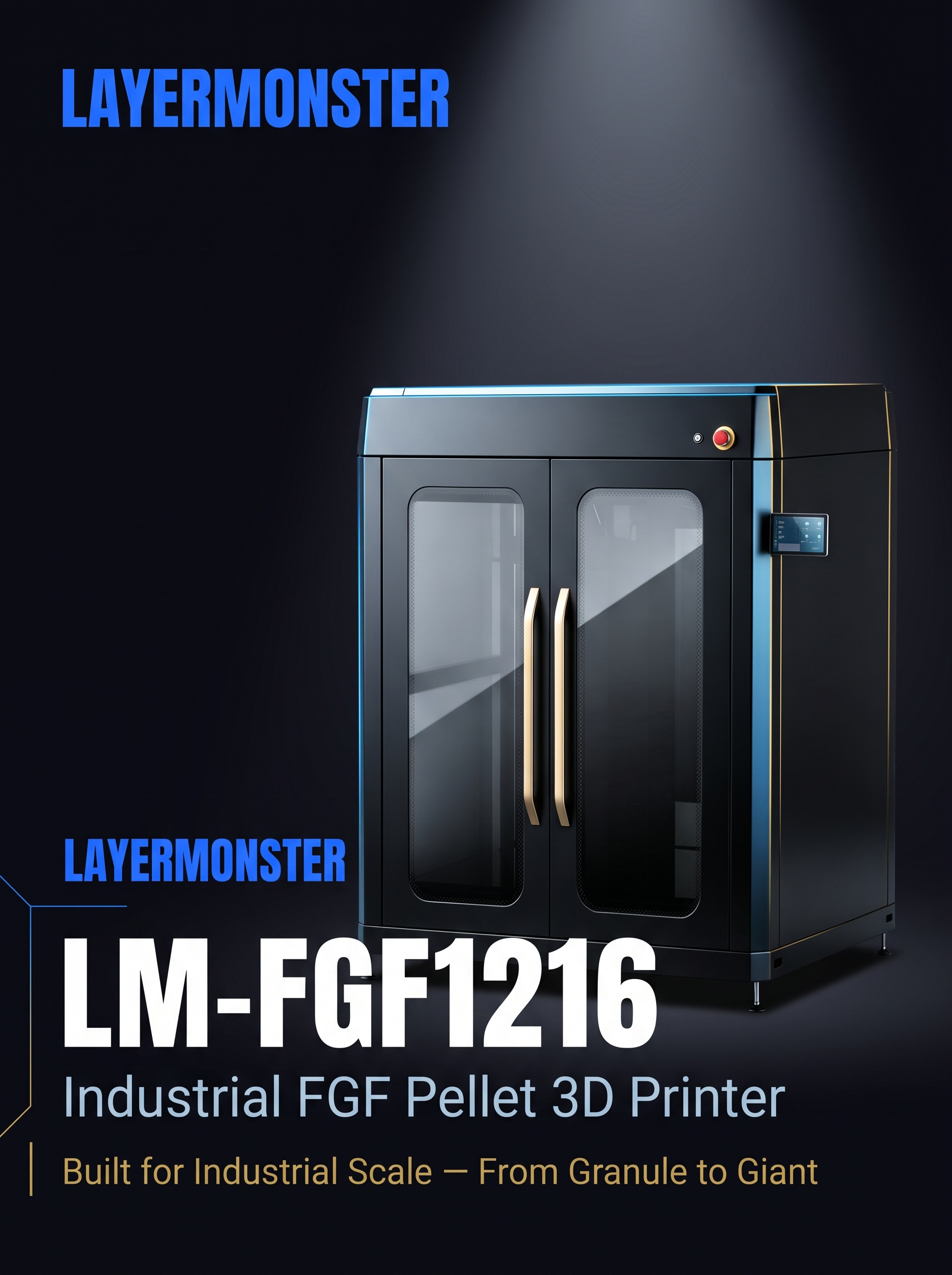
The Layermonster 0.9m FGF medical rehabilitation printer is more than just hardware; it is a comprehensive solution designed to help medical device manufacturers and rehabilitation hospitals reconstruct their supply chains. By combining cutting-edge 3D scanning and parametric design software with low-cost, high-efficiency pellet direct printing, companies can achieve a dual leap in profitability and delivery speed while maintaining the premium quality of medical products.